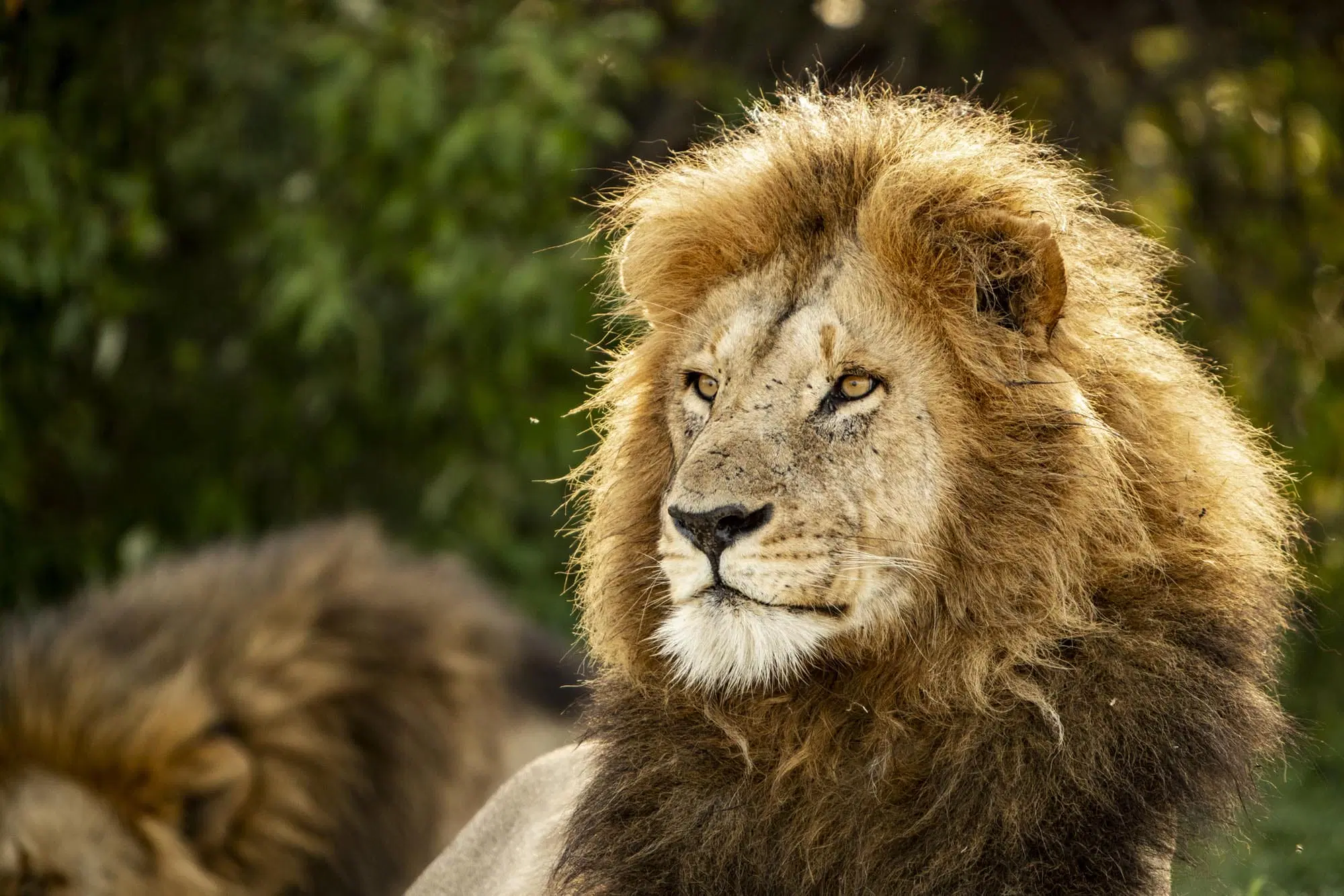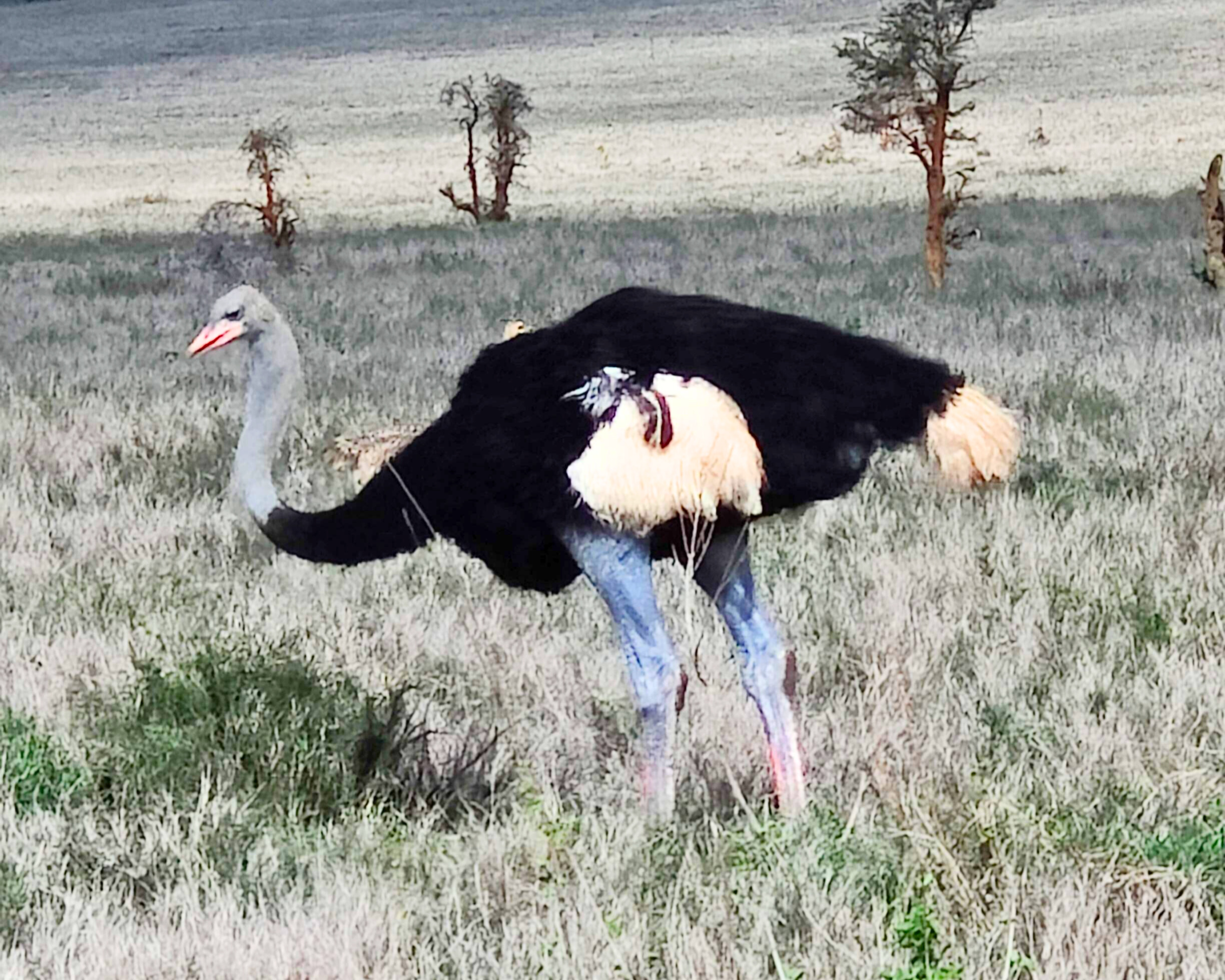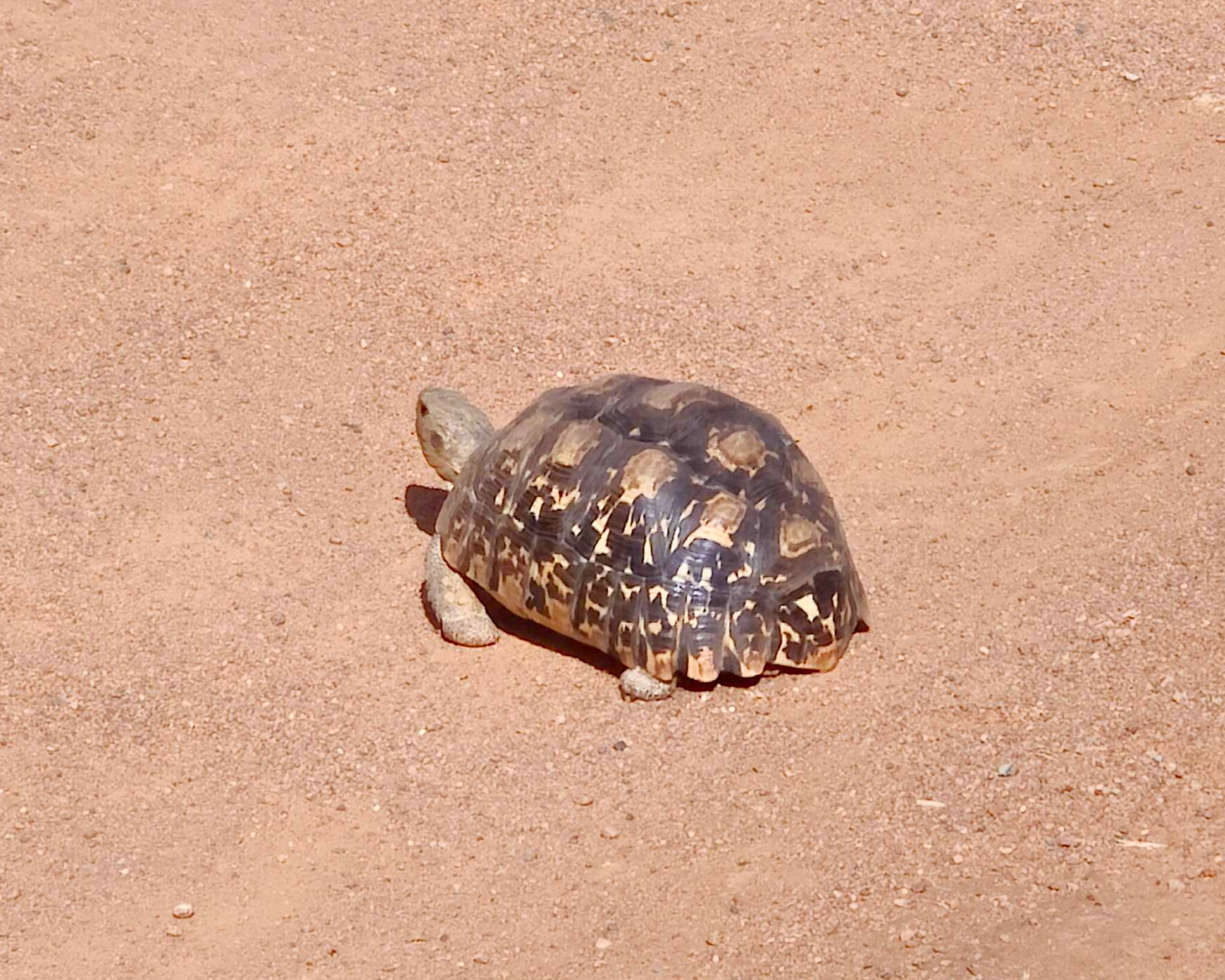

When people think of a safari, they dream of spotting the Big Five – lions, elephants, leopards, rhinos, and buffalo. But did you know Kenya also has the “Ugly Five”?
They may not win beauty contests, but these animals are crucial for keeping the wild in balance!
✨ Meet the Ugly Five:
- 🐗 Warthog
With its bristly hair, warty face, and tusks curving upward, the warthog looks fierce but is surprisingly shy. It’s often seen trotting with its tail held high like a flag. Warthogs are skilled diggers and play an important role in aerating the soil and creating burrows used by other animals. - 🦛 Wildebeest (Gnu)
Clumsy-looking yet incredibly tough, the wildebeest is famous for the Great Migration — one of nature’s most spectacular events. Its shaggy beard, humped shoulders, and large horns might look odd, but this grazer sustains predators like lions and hyenas across Kenya’s plains. - 🦅 Vulture
Often misunderstood, vultures are nature’s clean-up crew. Feeding on carcasses, they prevent the spread of disease and keep ecosystems healthy. Though their bald heads and hunched posture may seem unattractive, they are among the most vital and efficient scavengers on Earth. - 🐗 Hyena
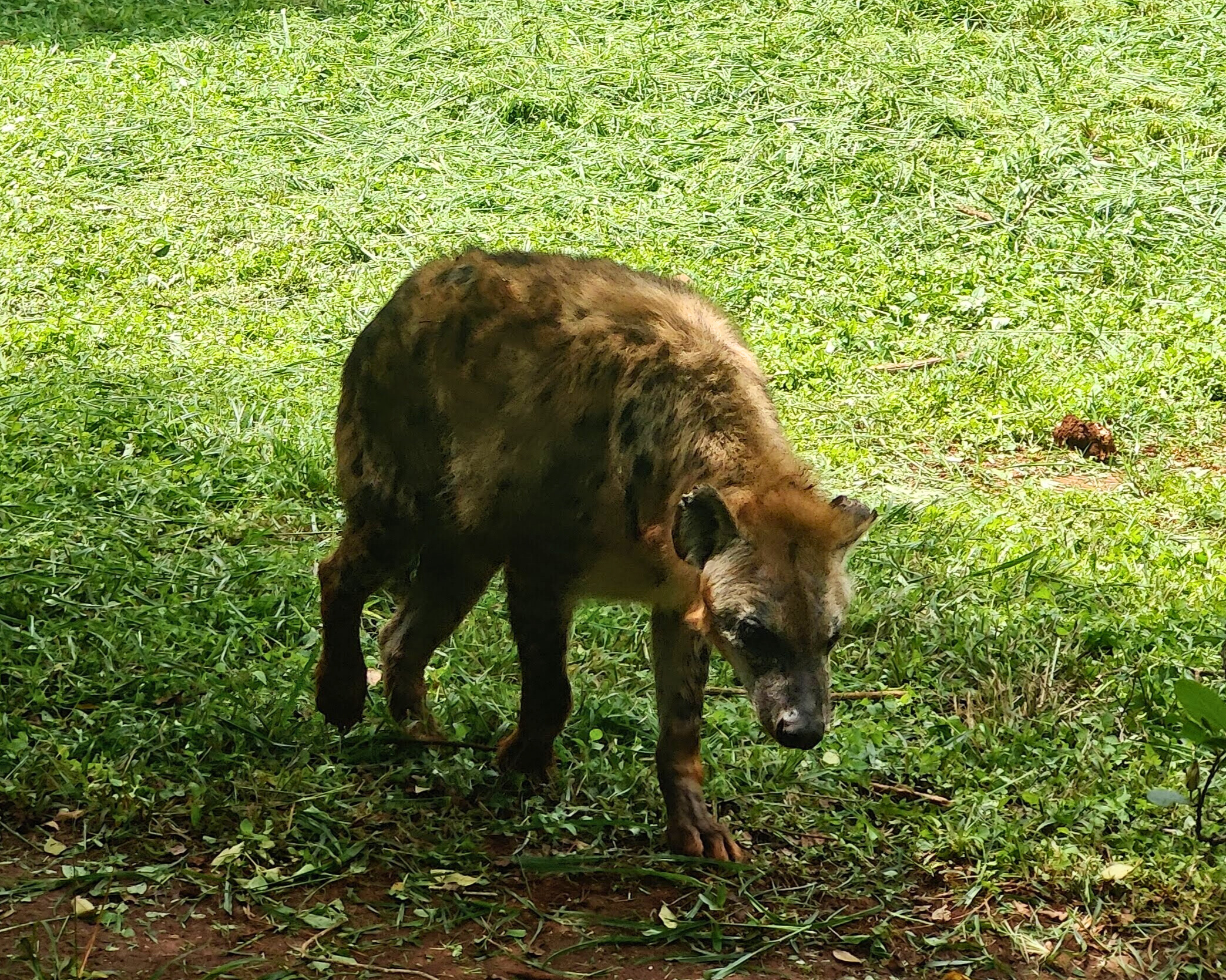
With its sloping back, eerie laugh, and scruffy fur, the hyena has long been seen as “ugly” — but looks can deceive. Hyenas are intelligent, social, and powerful hunters that play an essential role in cleaning up the savannah. Their strong jaws can crush bones and recycle nutrients back into the soil. - 🐦 Marabou Stork
Towering and bald-headed with a massive bill and an air of gloom, the marabou stork might not be pretty — but it’s fascinating! Often found near rivers or rubbish dumps, it’s another vital scavenger that keeps the environment clean. When it soars in the sky with its huge wingspan, it’s surprisingly majestic.
🌿 Ugly? Maybe. Essential? Absolutely.
Each member of the Ugly Five plays a unique role in maintaining the delicate balance of Kenya’s wild ecosystems. They remind us that every creature, no matter its looks – has a place and purpose in nature’s grand design.
ated Heroes 🐗🦛
When people think of a safari, they dream of spotting the Big Five — lions, elephants, leopards, rhinos, and buffalo. But did you know Kenya also has the “Ugly Five”?
They may not win beauty contests, but these animals are crucial for keeping the wild in balance! 🌍
✨ Meet the Ugly Five:
- 🐗 Warthog
With its bristly hair, warty face, and tusks curving upward, the warthog looks fierce but is surprisingly shy. It’s often seen trotting with its tail held high like a flag. Warthogs are skilled diggers and play an important role in aerating the soil and creating burrows used by other animals. - 🦛 Wildebeest (Gnu)
Clumsy-looking yet incredibly tough, the wildebeest is famous for the Great Migration — one of nature’s most spectacular events. Its shaggy beard, humped shoulders, and large horns might look odd, but this grazer sustains predators like lions and hyenas across Kenya’s plains. - 🦅 Vulture
Often misunderstood, vultures are nature’s clean-up crew. Feeding on carcasses, they prevent the spread of disease and keep ecosystems healthy. Though their bald heads and hunched posture may seem unattractive, they are among the most vital and efficient scavengers on Earth. - 🐗 Hyena
With its sloping back, eerie laugh, and scruffy fur, the hyena has long been seen as “ugly” — but looks can deceive. Hyenas are intelligent, social, and powerful hunters that play an essential role in cleaning up the savannah. Their strong jaws can crush bones and recycle nutrients back into the soil. - 🐦 Marabou Stork
Towering and bald-headed with a massive bill and an air of gloom, the marabou stork might not be pretty — but it’s fascinating! Often found near rivers or rubbish dumps, it’s another vital scavenger that keeps the environment clean. When it soars in the sky with its huge wingspan, it’s surprisingly majestic.
🌿 Ugly? Maybe. Essential? Absolutely.
Each member of the Ugly Five plays a unique role in maintaining the delicate balance of Kenya’s wild ecosystems. They remind us that every creature — no matter its looks — has a place and purpose in nature’s grand design.