

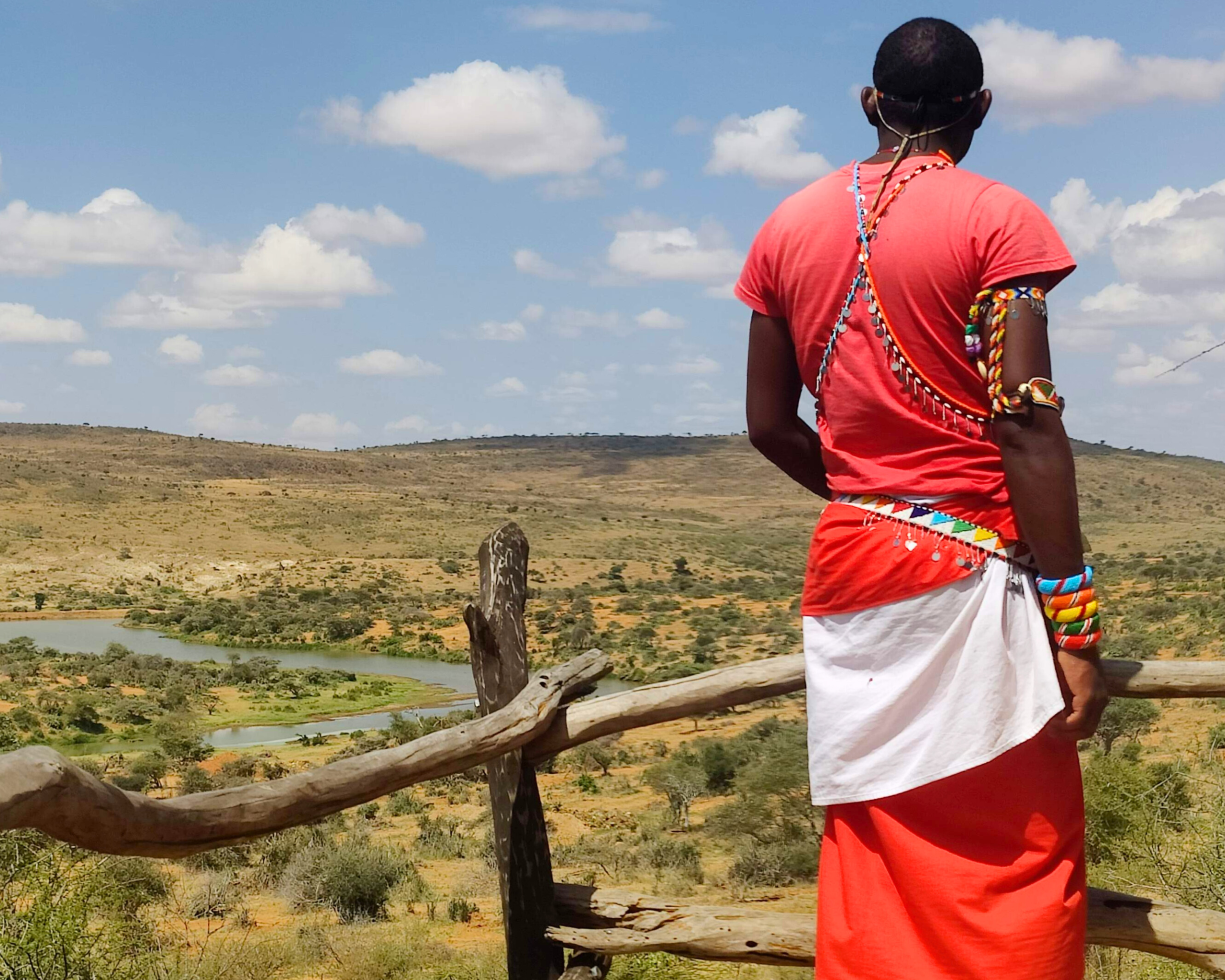
The Samburu and Maasai are two of Kenya’s most iconic and closely related pastoralist communities. They share many cultural similarities but also have distinct traditions, dialects, and lifestyles shaped by their environments. Here’s a clear breakdown:
Similarities Between the Samburu and Maasai
- Ethnic Roots
Both belong to the larger Maa-speaking group of people, who migrated from the Nile Valley region centuries ago. Their languages, Samburu and Maasai are dialects of the same Maa language. - Pastoral Lifestyle
Both communities are semi-nomadic pastoralists, traditionally depending on cattle, goats, and sheep for their livelihood. Livestock is central to their economy, culture, and social status. - Social Structure
Both have age-set systems that determine leadership, responsibilities, and social roles. Boys are initiated into warriorhood through ceremonies, later becoming elders who guide the community. - Traditional Attire and Ornaments
The Samburu and Maasai wear brightly colored shukas (cloth wraps), often in reds and blues, and beaded jewelry — necklaces, earrings, and bracelets — which hold deep cultural significance. - Beliefs and Customs
Both groups traditionally believe in a monotheistic God called Enkai (or Ngai), associated with nature, rain, and livestock. Rituals, dances, and songs are integral to community life.
Differences Between the Samburu and Maasai
- Location
Samburu: Inhabit the northern regions of Kenya — mainly Samburu County, Marsabit, and parts of Isiolo. The land is drier, more rugged, and semi-desert.
Maasai: Found in southern Kenya and northern Tanzania, particularly in Kajiado and Narok counties, near Amboseli and Maasai Mara. - Language and Dialect
Though both speak Maa, the Samburu dialect has slight variations in pronunciation and vocabulary distinct from the Maasai dialect. - Cultural Dress
Samburu: Often wear brighter reds, yellows, and oranges, and are known for intricate beadwork and elaborate headdresses, especially among women.
Maasai: Typically wear deep reds and blues, symbolizing strength and unity. - Livelihood and Environment
Samburu: Because of their arid environment, they keep more camels and goats in addition to cattle.
Maasai: Traditionally rely mostly on cattle, viewing them as sacred and central to their identity. - Population and Tourism Presence
Maasai: More widely known internationally due to their proximity to famous parks like Maasai Mara and Amboseli.
Samburu: Less visited but celebrated for their authenticity and strong preservation of traditional culture.
Shared Legacy
Both the Samburu and Maasai represent Kenya’s proud pastoralist heritage — resilient, deeply spiritual, and closely tied to the land and animals they live with. They are living symbols of tradition, harmony with nature, and cultural identity in a rapidly modernizing world.
Discover samburu and maasai culture in our New Horizons safari!